
You’ll use your newborn car seat hundreds of times. Hospital discharge, midwife visits, first trips to the GP, grandparents’ houses. It needs to be safe, comfortable for a tiny human, and not drive you mental every time you install it.
A bad car seat is a newborn that screams every time the car moves. A good one is a newborn that sleeps while you drive. And honestly, that alone is worth the investment.
Quick picks: the short version
| Car seat | Best for | Price | Where to buy |
|---|---|---|---|
| Maxi-Cosi Pebble 360 | Easiest newborn seat, rotates | Around £150 | Check price |
| Cybex Cloud Z i-Size | Premium, lasts to 18 months | Around £280 to £380 | Check price |
| Joie i-Level Recline | Best budget newborn seat | Around £100 | Check price |
| Graco Turn2Me 360 | One seat, birth to 12 years | Around £200 to £280 | Check price |
Not sure where to start? The Maxi-Cosi Pebble 360 is the easiest newborn seat to live with. If you’d rather buy one seat for years, the Graco Turn2Me 360 goes from birth to 12 (it’s one we’ve used ourselves). Prices change often, so check the current one before you buy.
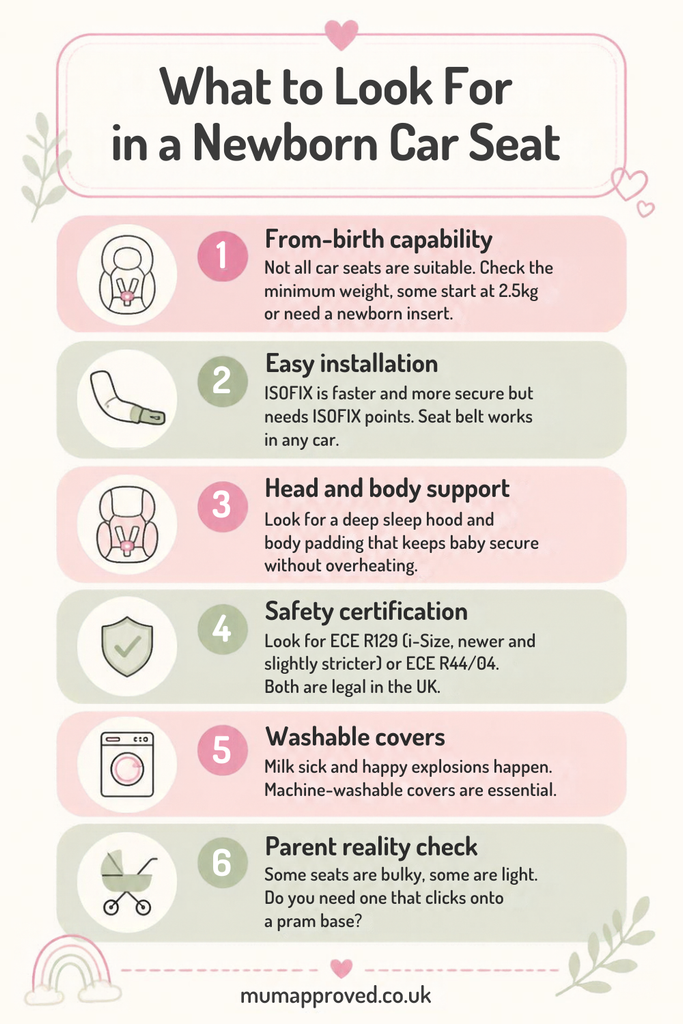
Best Newborn Car Seats by Type
Infant Carrier (Newborn Only, to ~12 Months)
These are the bucket-style seats that detach from the car. Use from birth, then transition to a forward-facing seat around 12 months (when they reach the seat’s weight limit, usually 13kg).
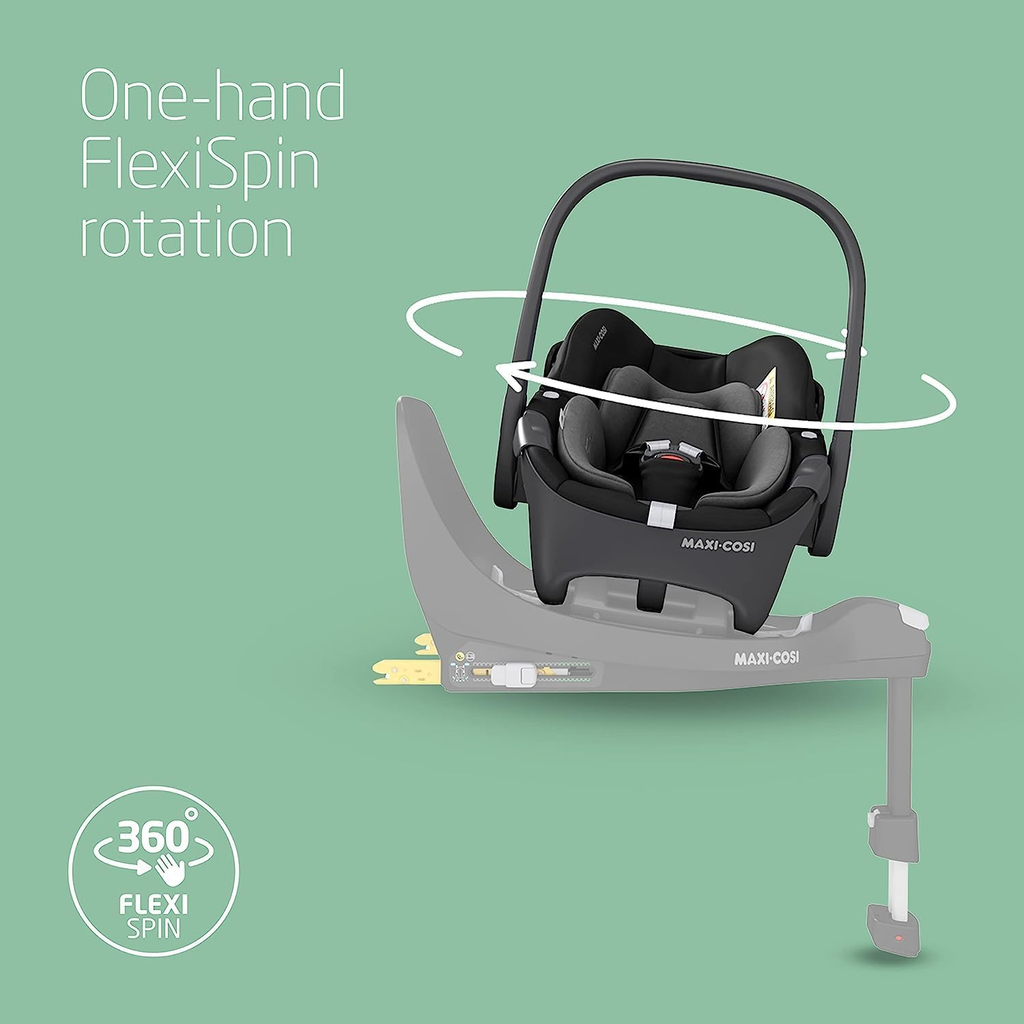
Currently £146.99 on Amazon. Rotates 360 degrees (easier to get baby in and out). ISOFIX + seat belt. ECE R129 (i-Size). Head support and body padding excellent. Detachable newborn inlay for tiny babies.
Pros: Easiest to install, comfortable for newborns, rotates so no twisting your back. Cons: Bulky, expensive, heavier than some competitors.
Best for: Parents who want one seat that just works and don’t mind paying for it.
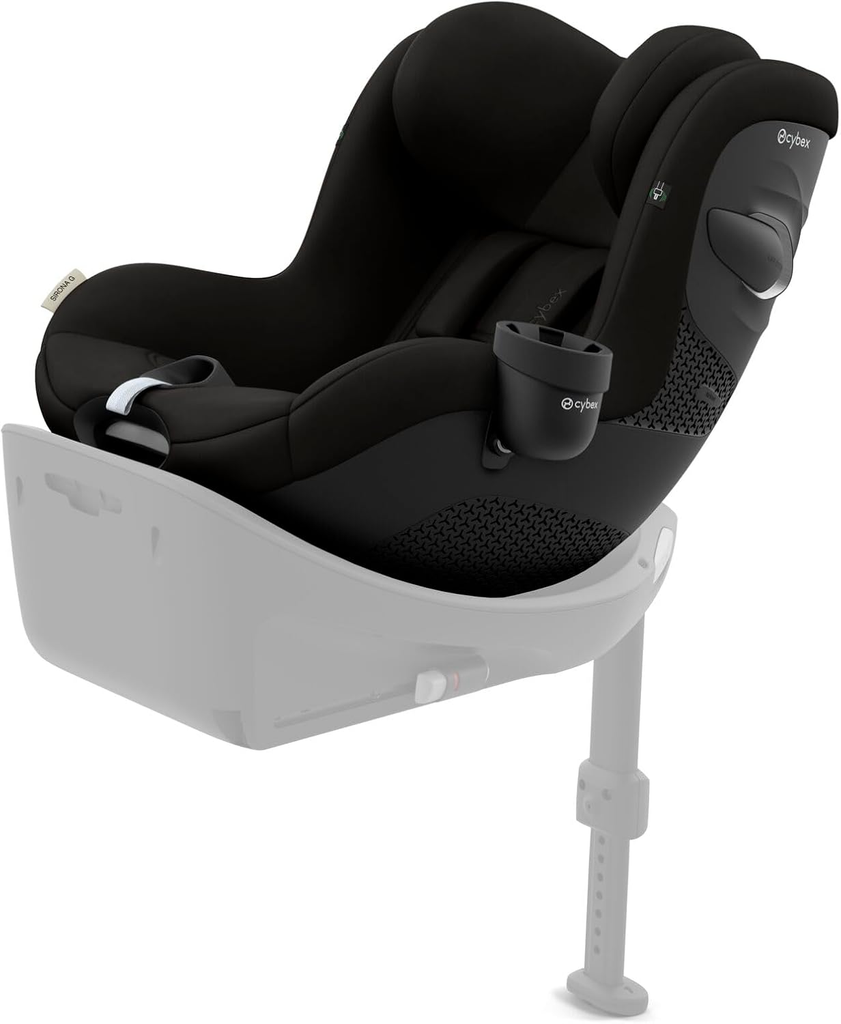
£280–380. Also rotates. ISOFIX only (no seat belt option). Premium materials, very deep sleep hood. Takes from birth to about 18 months (18kg).
Pros: Lasts longer than basic infant carriers, beautiful design, very safe. Cons: ISOFIX only means you can’t use it in older cars without ISOFIX.
Best for: Parents who want a premium option and have ISOFIX in their car.
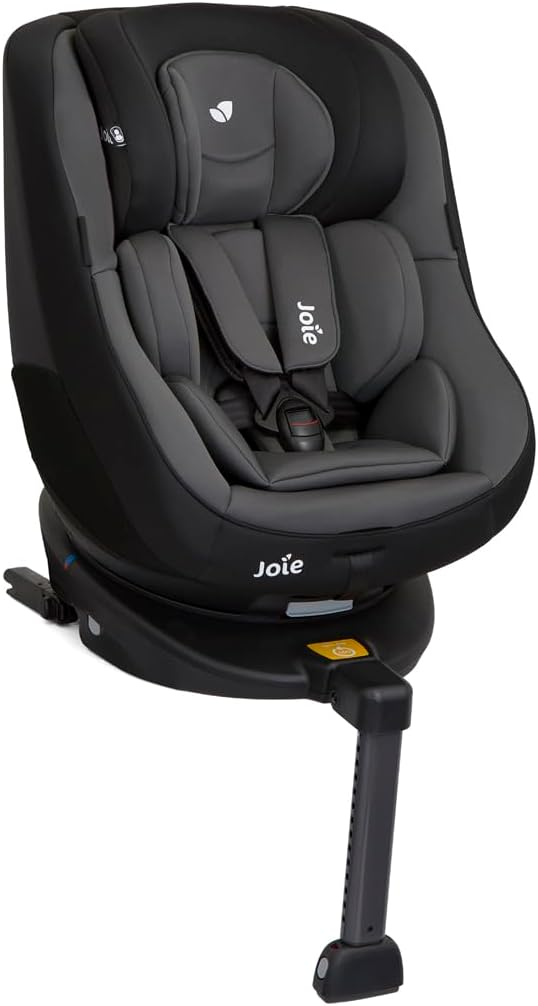
Currently around £100. ISOFIX, reclines, newborn insert included. ECE R129.
Pros: Good value, works from birth, reclines for sleeping position. Cons: Doesn’t rotate, heavier than compact seats.
Best for: Budget-conscious parents who want safety without the premium price tag.
All-in-One from Birth (Birth to ~12 Years)
These seats grow with your baby. Rear-facing from birth, forward-facing from about 9 months (when baby is ready), booster from about 4 years. You use one seat for years.
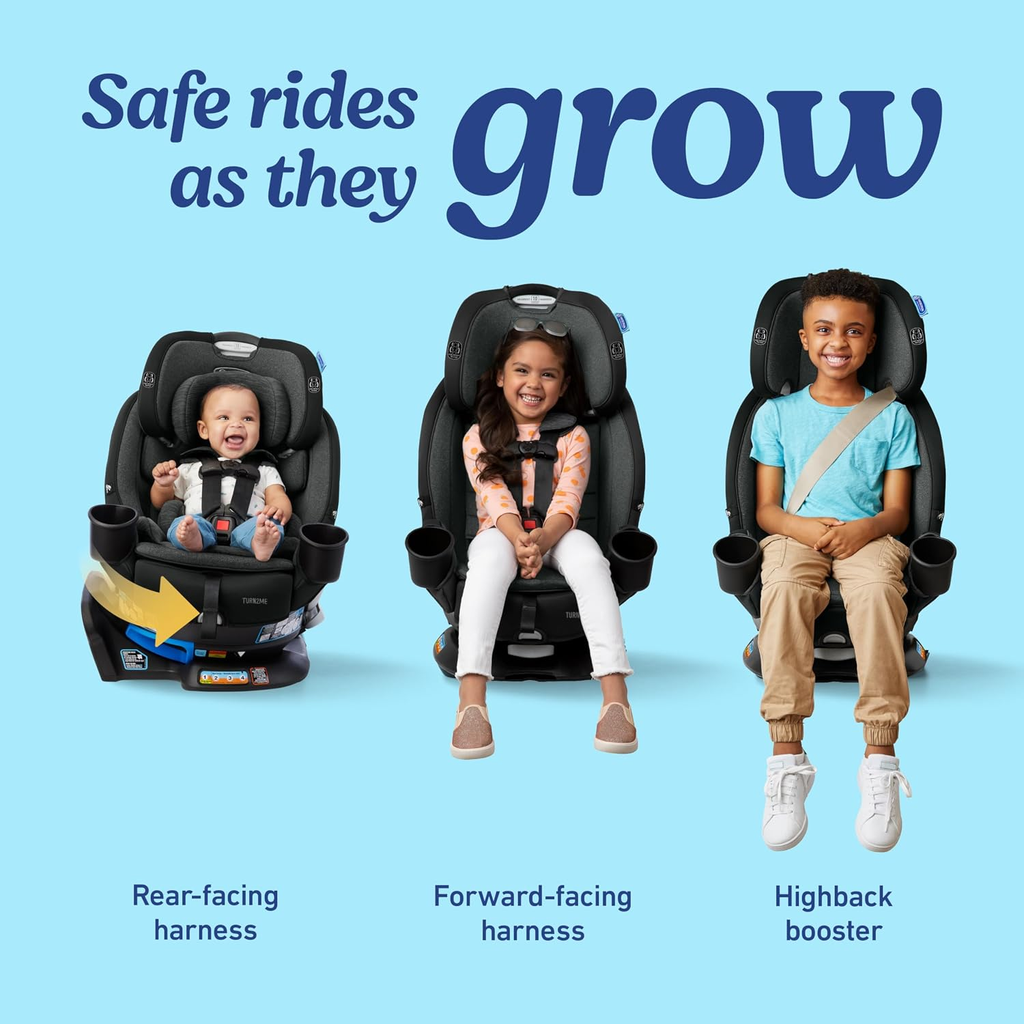
Rotates, ISOFIX + seat belt. Uses from birth to about 12 years (covers rear-facing to booster stages). ECE R129.
Pros: Decent value for an all-in-one, rotates, covers most ages. Cons: Not as padded as premium brands, bulkier at the toddler stage.
Best for: Parents who want one seat for years and don’t want to buy multiple.
Budget vs. Premium Newborn Car Seats
Budget (£100–150): Britax, Joie basics, some Graco models. Perfectly safe (all must meet ECE standards). Less padding, fewer extras, might feel less premium.
Mid-range (£150–250): Most parents buy here. Joie, Nuna, Cybex mid-ranges. Good balance of safety, comfort, and price.
Premium (£250+): Maxi-Cosi premium, Cybex premium, Nuna premium. More padding, features like rotation or fancy fabrics, longer-lasting materials.
Honest truth: A £120 seat and a £350 seat are both safe. The difference is comfort, durability, and how easy the seat is to use. A more expensive seat might rotate (less back strain), have better newborn padding (baby sleeps better), or last through 4 kids (value over time).
New vs. Second-Hand Car Seats
New: Always new for car seats. You don’t know the history of a second-hand seat (was it in a crash? Damaged? Incorrect installation?).
Exception: If it’s from a trusted friend/family member and you know its full history, you might consider it. But generally, car seat safety is not the place to save money.
Installation: The Bit Everyone Gets Wrong
ISOFIX installation: Find the ISOFIX points (metal bars behind the back seat cushions). Click the seat in. Done. Much harder to get wrong.
Seat belt installation: Thread the seat belt through the guides, buckle it, make sure there’s no slack. This is where mistakes happen. A lot of car seats are installed incorrectly with seat belts. Watch a video for your specific seat.
Real talk: Have your car seat installation checked at a local safe fit station (usually hospitals, fire stations, or police stations do this free). Peace of mind costs nothing.
FAQ: Newborn Car Seats
Can I use an infant carrier from the moment I leave hospital?
Yes. All newborn-approved car seats (infant carriers or all-in-ones marked from birth) are safe from day one.
Do I need a base?
No, but it makes life easier. The base clicks into your car permanently, and the seat clicks in/out of the base. If you have multiple cars or travel a lot, a base is worth it. If you only use the car occasionally, the seat belt install is fine.
How do I know if my car has ISOFIX?
Check your car manual. ISOFIX points look like metal bars/brackets behind the back seat cushions.
When do I transition to the next seat?
When baby reaches the weight limit of the current seat (usually 13kg for infant carriers, around 12 months) or when they’re around 15 months old, whichever comes first.
Can I use a second-hand car seat?
Not recommended. You don’t know the history. Always buy new for car seats.
Do car seats expire?
Yes, usually 10 years from the date of manufacture. Check the label.
Related Posts
- Best Extended Rear-Facing Car Seats UK
- Best Car Seats for Toddlers UK
- Best 360 Rotating Car Seats UK
- Best Travel Systems with Pram
This post contains affiliate links to products we genuinely use and recommend. We earn a small commission if you purchase through these links, at no extra cost to you. Thank you for supporting Mum Approved UK.
Leave a Reply